Minimum/Maximum Readings

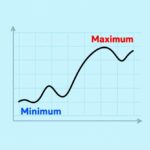
Weather rarely settles into a steady state. Throughout any 24-hour period, conditions swing between extremes — temperatures climb to a peak in the afternoon then plummet overnight, winds gust fiercely during passing fronts then die to a whisper, and pressure fluctuates as highs and lows move through. Understanding min/max readings transforms raw data into actionable

Wind Direction

Wind direction is one of the most powerful predictors of upcoming weather. Knowing which way the wind is coming from tells you whether to expect warm sunshine, Atlantic rain, cold Arctic blasts, or humid continental air. It’s a simple measurement that opens a window into the weather systems shaping our daily conditions. Defining Wind Direction

Wind Patterns & Local Topography — How Land Shapes the Breeze

If you’ve lived somewhere long enough, you start to notice the quirks. There’s the gusty spot at the bottom of the lane when a west wind is blowing. The corner where leaves accumulate after every gale. The garden that feels calm while the rest of Somerset is rattled by strong winds. These aren’t random. They’re

Rainfall Measurement

Rainfall Measurement Rainfall is one of the most tangible weather measurements — you can see it falling, feel it on your skin, and witness its effects in your garden or local area. But turning that falling water into precise, comparable data requires careful instrumentation and standardised methods. Measuring Rain: The Basics Rainfall is measured as

Atmospheric Pressure

Pressure is the weight of the atmosphere pressing down on everything below it. It’s a force you never notice day-to-day — until it changes. Shifts in atmospheric pressure drive weather systems, shape wind patterns, and determine whether you wake to blue skies or grey drizzle. Understanding pressure readings unlocks one of the most fundamental signals

Relative Humidity

Humidity is invisible but omnipresent. You can’t see it, but you can feel it — in the heaviness of a muggy summer afternoon, in the way a cold glass fogs up indoors, in the cracked lips and dry skin of a cold winter morning. Understanding humidity unlocks a deeper appreciation for why the air behaves

Humidity and Exercise — Why Sweat Alone Isn’t Enough

You step outside on a summer morning in Monkton Heathfield. The thermometer reads a pleasant 18°C — hardly scorching. Yet within ten minutes of your walk or jog, you’re dripping with sweat, your heart is pounding, and you feel like you’ve run a marathon. The culprit isn’t the temperature. It’s the humidity. What Humidity Does

What is Dew Point?

The dew point is the exact temperature to which air must cool for water vapor to turn into liquid water drops. It is a simple way to measure how much moisture is in the air. A dew point above 15.5°C starts to feel sticky, while values above 18°C feel oppressive, and values reaching 24°C or

Wet Bulb Temperature

During the recent UK heatwave, a term usually confined to meteorology textbooks started appearing in news headlines and social media feeds: wet bulb temperature. It’s a concept that sounds technical, but it describes something profoundly simple — and increasingly urgent. It measures not just how hot the air is, but how hot it feels to a body trying

Heatwave

A hot day is one thing. A heatwave is something else entirely. The difference isn’t just about temperature — it’s about duration, intensity, and the cumulative effect on the ground, the air, and the people living through it. What Counts as a Heatwave? There’s no single universal definition because what counts as a heatwave depends

El Niño

Every few years, something extraordinary happens in the Pacific Ocean that ripples across the entire planet. Fishermen in Peru first noticed it centuries ago — a warming of the coastal waters that arrived around Christmas time. They named it El Niño, “the boy,” referring to the Christ child. What started as a local observation turned

Radar Precipitation

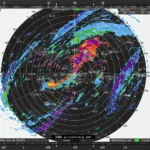
When rain is on the way, you can often see it coming — not by looking out the window, but by looking at a radar map. Those sweeping coloured bands of green, yellow, and red moving across the screen are one of the most powerful tools in modern meteorology. But how does weather radar actually

Cloud Base Height

Look up on a cloudy day and you see a blanket of white or grey stretching across the sky. But how high are those clouds? Are they hanging just overhead, or floating kilometers above your head? The answer — the cloud base height — tells you more than just altitude. It reveals atmospheric stability, moisture

Frost Formation

On a still, clear winter night, something quiet transforms the world. Blades of grass stiffen with white crystals, car windscreens glaze over, and puddles turn solid. Frost isn’t just a seasonal inconvenience — it’s a precise physical process driven by temperature, moisture, and the invisible movement of heat through the air above your garden. What

What is a heat dome?

You’ve probably heard the term thrown around on the news during heatwaves, but what exactly is a heat dome? Despite the dramatic name, the concept is surprisingly straightforward — and understanding it explains a lot about why heatwaves can linger for days or even weeks. The Basics A heat dome occurs when high-pressure atmospheric conditions

Scroll to Top